Water Damage
Water Damage in Indianapolis: Answers to the Questions Homeowners Ask Most
Darius McFadden
October 7, 2026
8
min read
If you live in the Indianapolis area, you already know our weather does not do anything halfway. Spring storms roll in hard, winter brings freeze and thaw cycles, and Indianapolis averages around 42 inches of rain a year. Add the dense clay soil found across much of the metro, and you get water that sits against your foundation instead of draining away.
That combination is why so many calls we get start with a wet basement. And once water gets in, mold is never far behind.
The Cleaning Source has been helping homeowners from Fishers and Carmel down to Greenwood clean up after water damage since 2013. Over those 13 years, we have heard the same questions again and again. Here are straight answers to the ones Indianapolis homeowners ask most.
Start with safety. If water is near outlets, appliances, or your electrical panel, stay out of it and shut off power at the breaker only if you can reach it from a dry spot. Then stop the source if you can, like shutting the main water valve for a burst pipe.
Next, take photos and video of everything before you move or toss anything. Your insurance adjuster will want to see the damage as you found it. Then call a water damage restoration company. The sooner drying starts, the less you end up replacing.
In Indianapolis, the answer usually starts in the ground. Much of the metro sits on dense clay soil that holds water instead of draining it. After a heavy spring storm or a fast snowmelt, that saturated soil pushes water against your foundation and through any crack or seam it can find.
Other common causes we see:
Fast. The EPA says that if wet materials are dried within 24 to 48 hours, mold usually will not grow. After that window, drywall, carpet pad, and insulation start soaking up water and breaking down, and the cleanup gets bigger and more expensive.
That is why we answer the phone 24/7. Water does not wait for business hours, and neither do we.
For a small spill on a hard floor, maybe. For anything that soaked into carpet, drywall, or the subfloor, usually not. Box fans dry the surface, but water wicks up into walls and hides under flooring where you cannot see it.
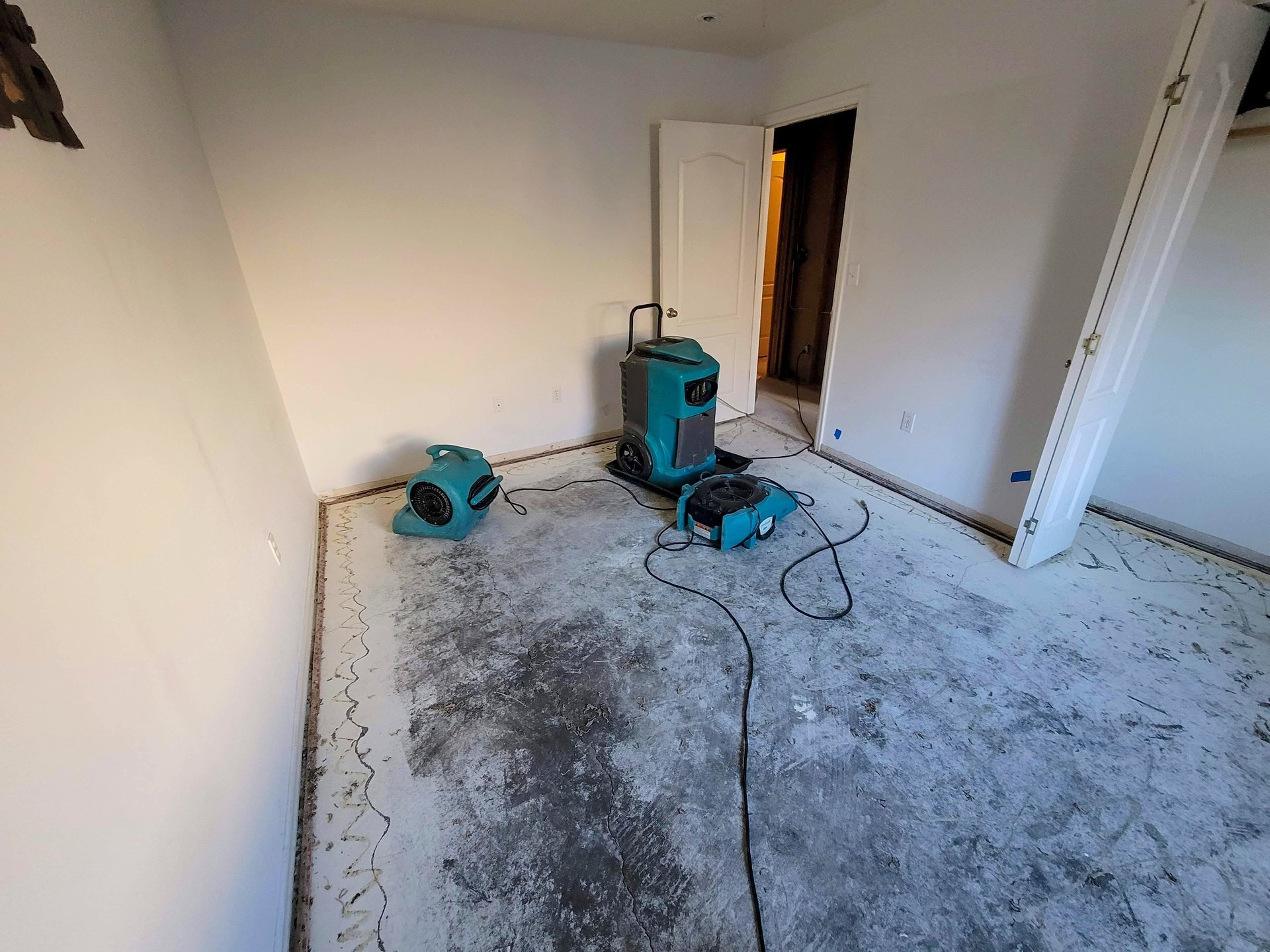
Professional drying uses moisture meters to find hidden water, commercial dehumidifiers, and high speed air movers. Our IICRC certified technicians follow the industry's S500 water damage standard, which means we check moisture levels until the structure is actually dry, not just dry to the touch.
Most homes need three to five days of drying once equipment is in place. Bigger losses, like a fully finished basement or water that sat for days, can take longer. Rebuilding drywall, flooring, or trim comes after drying and depends on how much had to be removed.
It depends on where it came from. Water from a clean supply line is one thing. Water from a sewer backup or floodwater from outside can carry bacteria and other contaminants. That kind of water calls for protective gear, removal of soaked porous materials, and proper sanitizing. If you are not sure what you are dealing with, keep kids and pets out and let a pro assess it.
It can, and in a humid Indiana summer it often does. Mold can start growing on damp drywall, wood, and carpet within a day or two. A musty smell, warped baseboards, or dark spots creeping up the wall are all signs moisture stayed behind.
The EPA says a patch smaller than about 10 square feet is usually a DIY job. Anything bigger, or mold tied to sewage or hidden inside walls, should be handled by a pro. The Cleaning Source handles full mold removal, so if we find mold during a water job, the same crew can take care of it. Learn more on our Mold Remediation page.
Often, yes, if the damage was sudden and accidental. A burst pipe or a water heater that suddenly fails is usually covered. Damage from a slow leak that went on for months, or from poor maintenance, usually is not. Every policy is different, so call your agent and read your declarations page.
This is where many Indianapolis homeowners get surprised. It comes down to how the water got in:
| Where the water came from | Usually covered by a standard policy? |
|---|---|
| Burst pipe or appliance leak inside the home | Usually yes |
| Sewer, drain, or sump pump backup | Only with a water backup endorsement |
| Rising water from outside (heavy rain, overflowing creek) | No, needs separate flood insurance |
If you do not have a water backup endorsement, it is worth asking your agent about one, especially if you rely on a sump pump. Flood insurance through the National Flood Insurance Program usually has a 30-day waiting period, so do not wait until the forecast turns ugly to buy it.
We document the damage with photos and moisture readings throughout the job, which gives your adjuster a clear record of what happened and what was done. If you have questions about your claim, ask us when you call.
Whether it is a few inches in the basement after a storm or a pipe that let go overnight, the first 48 hours matter most. The Cleaning Source is locally owned, IICRC certified, and has served homeowners across the Indianapolis metro since 2013, including Fishers, Carmel, Westfield, Noblesville, Greenwood, Avon, and Plainfield.
When you call, you talk to the owner, not a call center. We are available 24/7 for emergencies.
Call 317-853-9363 for immediate help, or fill out our free quote form and we will get back to you fast.
Locally owned, IICRC certified, and answering the phone around the clock. Reach out and talk to the owner, not a call center.